


ছবি নেই
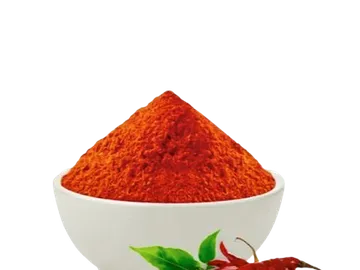
ফিচার্ডRed Chili Powder
১৭০৳ আলোচনা সাপেক্ষ
শেরপুর
৯০৳ আলোচনা সাপেক্ষ
২ টির মধ্যে ১
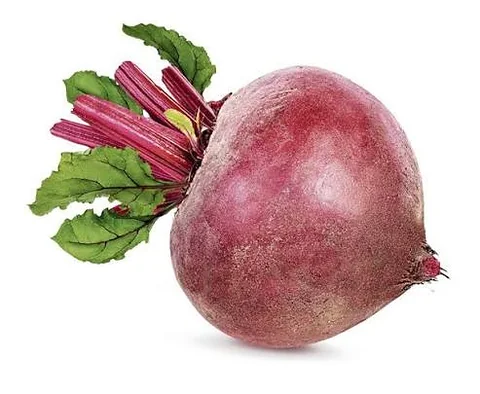
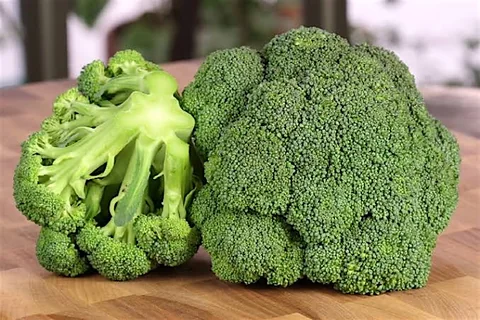
This image shows a beetroot (commonly known as beet or বিট রুট / বিট in South Asia). Scientifically classified as Beta vulgaris, it is a root vegetable known for its vibrant color, distinct earthy flavor, and rich nutritional profile.

পোস্ট করেছেন
modhosari baroipara, sherpur sader, sherpur, Mymensingh, Bangladesh
দেখতে ট্যাপ করুন। যোগাযোগের সময় লিস্টোলেট-এর কথা বলবেন।
প্রকাশ্য জায়গায় দেখা করুন। যাকে চেনেন না, তাকে আগে থেকে টাকা পাঠাবেন না।
ঠিকানা পড়ুন
১৭০৳ আলোচনা সাপেক্ষ
শেরপুর
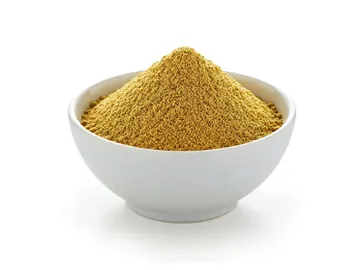
১৭০৳ আলোচনা সাপেক্ষ
শেরপুর
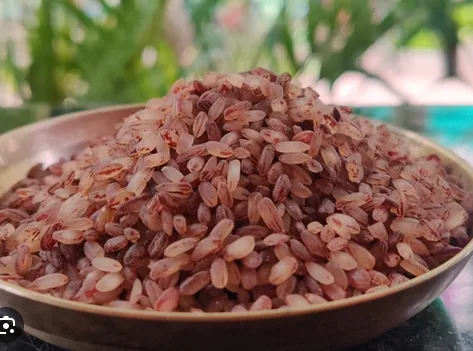
১৫০৳ আলোচনা সাপেক্ষ
শেরপুর
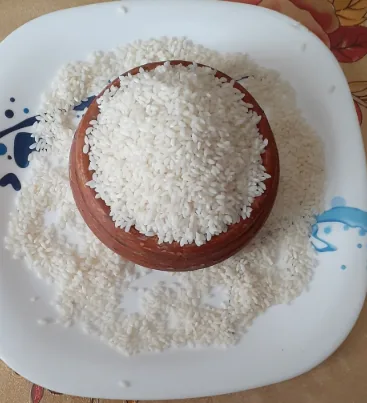
২৭০৳ আলোচনা সাপেক্ষ
শেরপুর
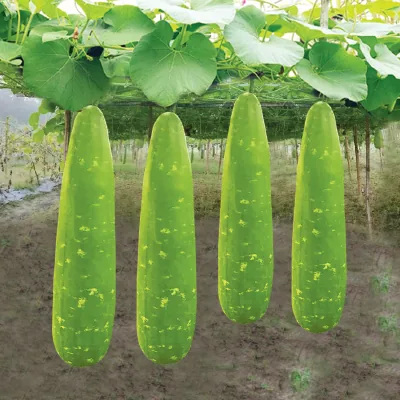
৬০৳ আলোচনা সাপেক্ষ
শেরপুর
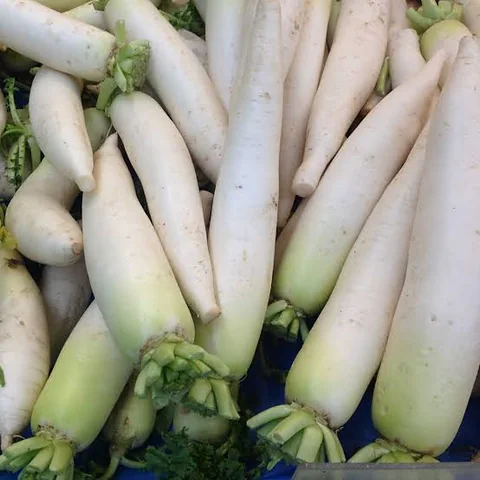
৫০৳ আলোচনা সাপেক্ষ
শেরপুর
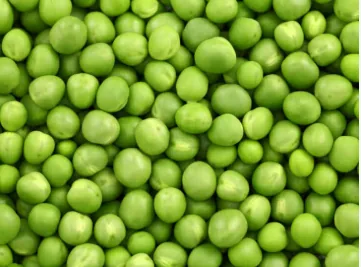
১২০৳ আলোচনা সাপেক্ষ
শেরপুর
৯০৳ আলোচনা সাপেক্ষ
শেরপুর
৯০৳ আলোচনা সাপেক্ষ