

ছবি নেই
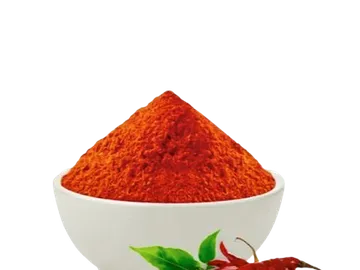
ফিচার্ডRed Chili Powder
১৭০৳ আলোচনা সাপেক্ষ
শেরপুর
৮০৳ আলোচনা সাপেক্ষ
২ টির মধ্যে ১
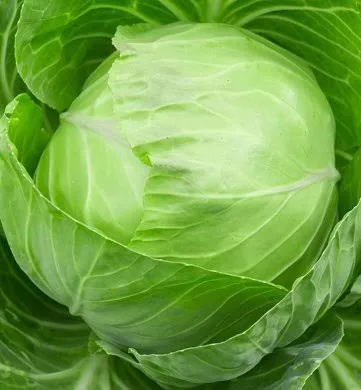
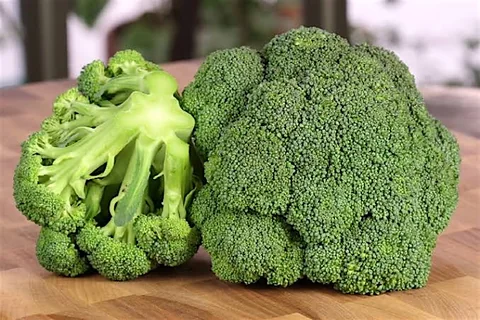
This image shows a fresh head of cabbage (known locally in Bengali as bandhakopi / বাঁধাকপি). It belongs to the Brassica oleracea species (Capitata group), which also includes vegetables like cauliflower, broccoli, and kale.

পোস্ট করেছেন
modhosari baroipara, sherpur sader, sherpur, Mymensingh, Bangladesh
দেখতে ট্যাপ করুন। যোগাযোগের সময় লিস্টোলেট-এর কথা বলবেন।
প্রকাশ্য জায়গায় দেখা করুন। যাকে চেনেন না, তাকে আগে থেকে টাকা পাঠাবেন না।
ঠিকানা পড়ুন
১৭০৳ আলোচনা সাপেক্ষ
শেরপুর

১৭০৳ আলোচনা সাপেক্ষ
শেরপুর
১৫০৳ আলোচনা সাপেক্ষ
শেরপুর
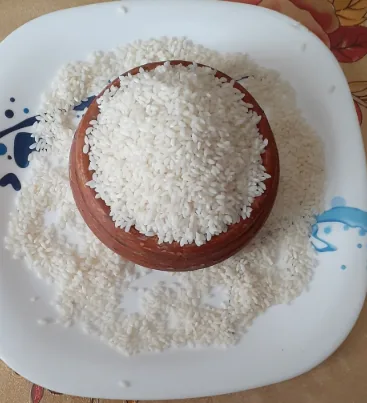
২৭০৳ আলোচনা সাপেক্ষ
শেরপুর
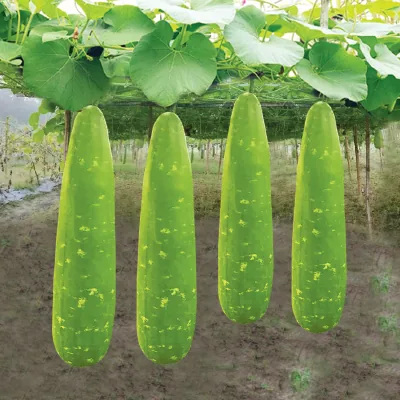
৬০৳ আলোচনা সাপেক্ষ
শেরপুর
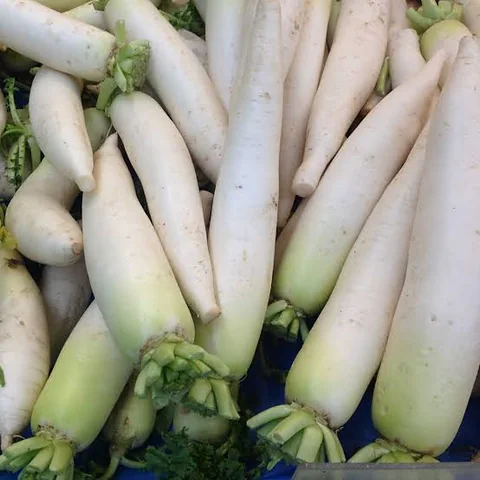
৫০৳ আলোচনা সাপেক্ষ
শেরপুর
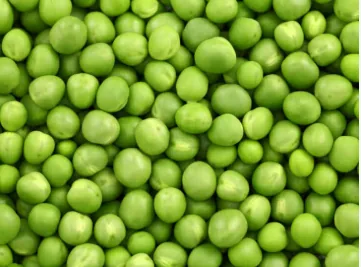
১২০৳ আলোচনা সাপেক্ষ
শেরপুর
৯০৳ আলোচনা সাপেক্ষ
শেরপুর
৮০৳ আলোচনা সাপেক্ষ