



No photo
Brinjal and pointed gourd
৳250 Negotiable
Natore
৳70 Negotiable

1 of 2
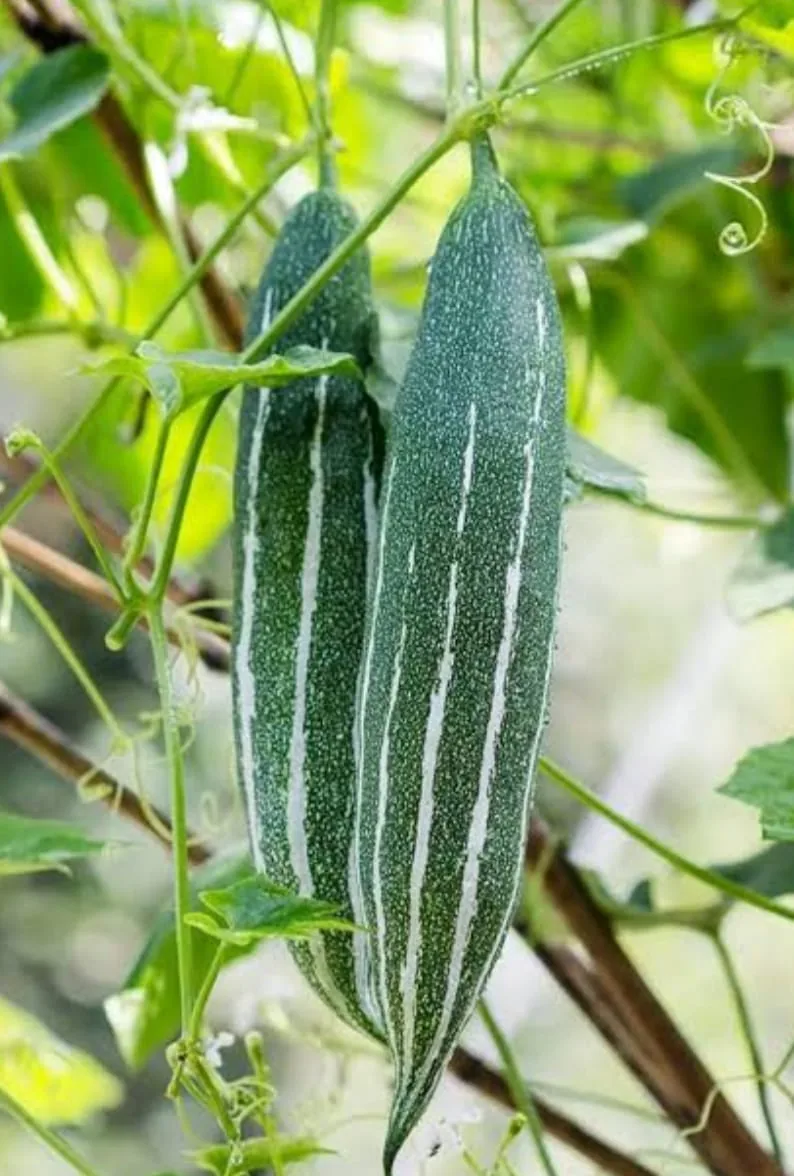
This image shows pointed gourd, commonly known as parwal or potol (Trichosanthes dioica). It is a popular tropical vine vegetable in the gourd family (Cucurbitaceae), widely grown and consumed across South Asia.

Posted by
modhosari baroipara, sherpur sader, sherpur, Mymensingh, Bangladesh
Tap to reveal. Please mention Listolet when you get in touch.
Meet in a public place. Never send money in advance to someone you have not met.
THIKANA
৳250 Negotiable
Natore

৳60 Negotiable
Sherpur
৳40 Negotiable
Sherpur
৳150 Negotiable
Sherpur
৳80 Negotiable
Sherpur

৳25 Negotiable
Dhaka

৳170 Negotiable
Sherpur

৳170 Negotiable
Sherpur
৳70 Negotiable