


No photo
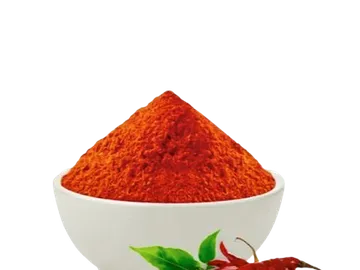
FeaturedRed Chili Powder
৳170 Negotiable
Sherpur
৳90 Negotiable
1 of 2
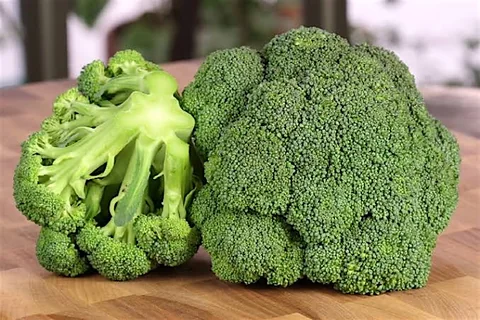
This image shows broccoli (known in Bengali as ব্রোকলি or green cauliflower). Scientifically known as Brassica oleracea var. italica, it is a nutrient-dense cruciferous vegetable closely related to cauliflower, cabbage, and kale.

Posted by
modhosari baroipara, sherpur sader, sherpur, Mymensingh, Bangladesh
Tap to reveal. Please mention Listolet when you get in touch.
Meet in a public place. Never send money in advance to someone you have not met.
THIKANA
৳170 Negotiable
Sherpur

৳170 Negotiable
Sherpur
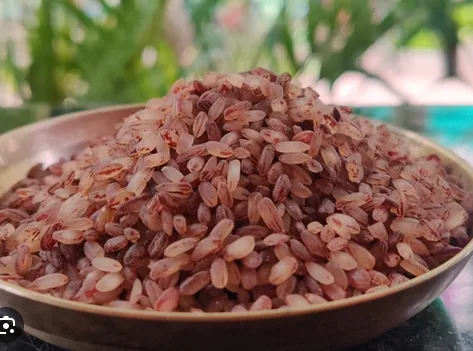
৳150 Negotiable
Sherpur
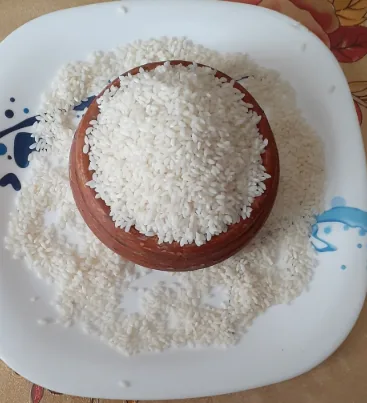
৳270 Negotiable
Sherpur
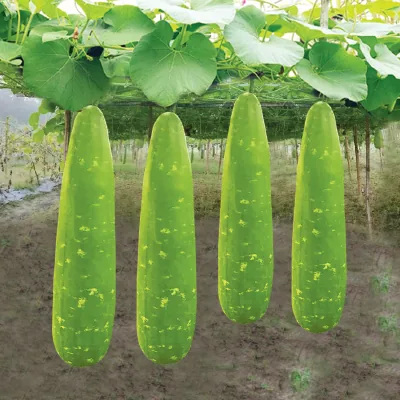
৳60 Negotiable
Sherpur
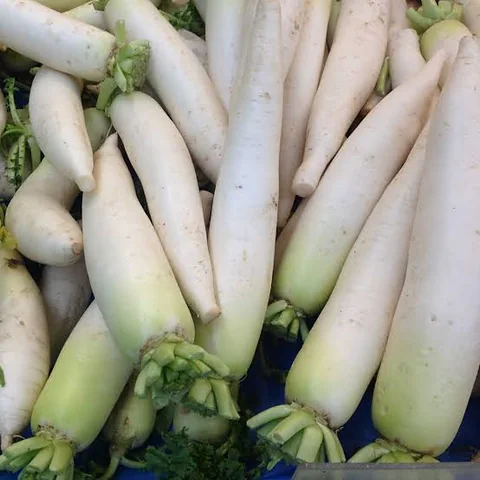
৳50 Negotiable
Sherpur
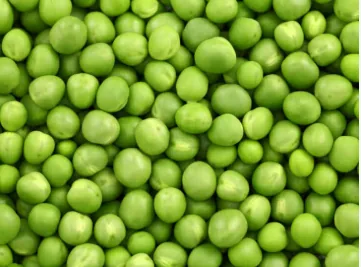
৳120 Negotiable
Sherpur
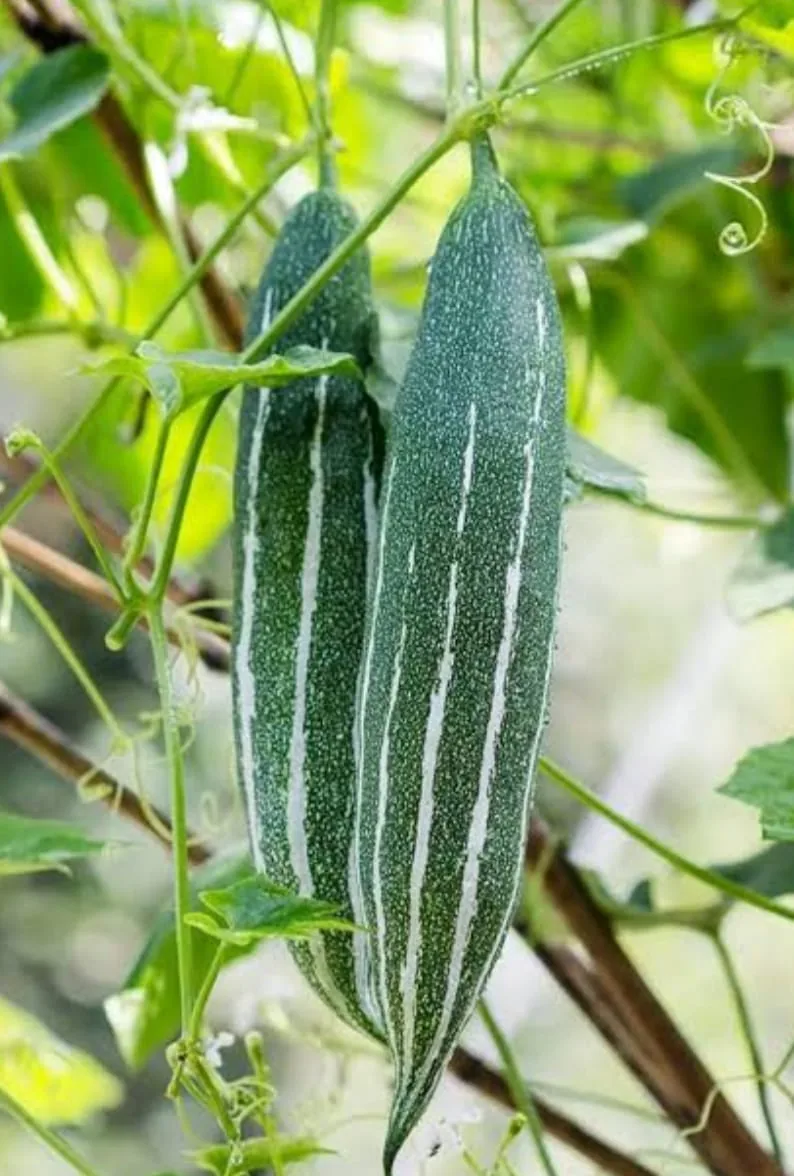
৳40 Negotiable
Sherpur
৳90 Negotiable